
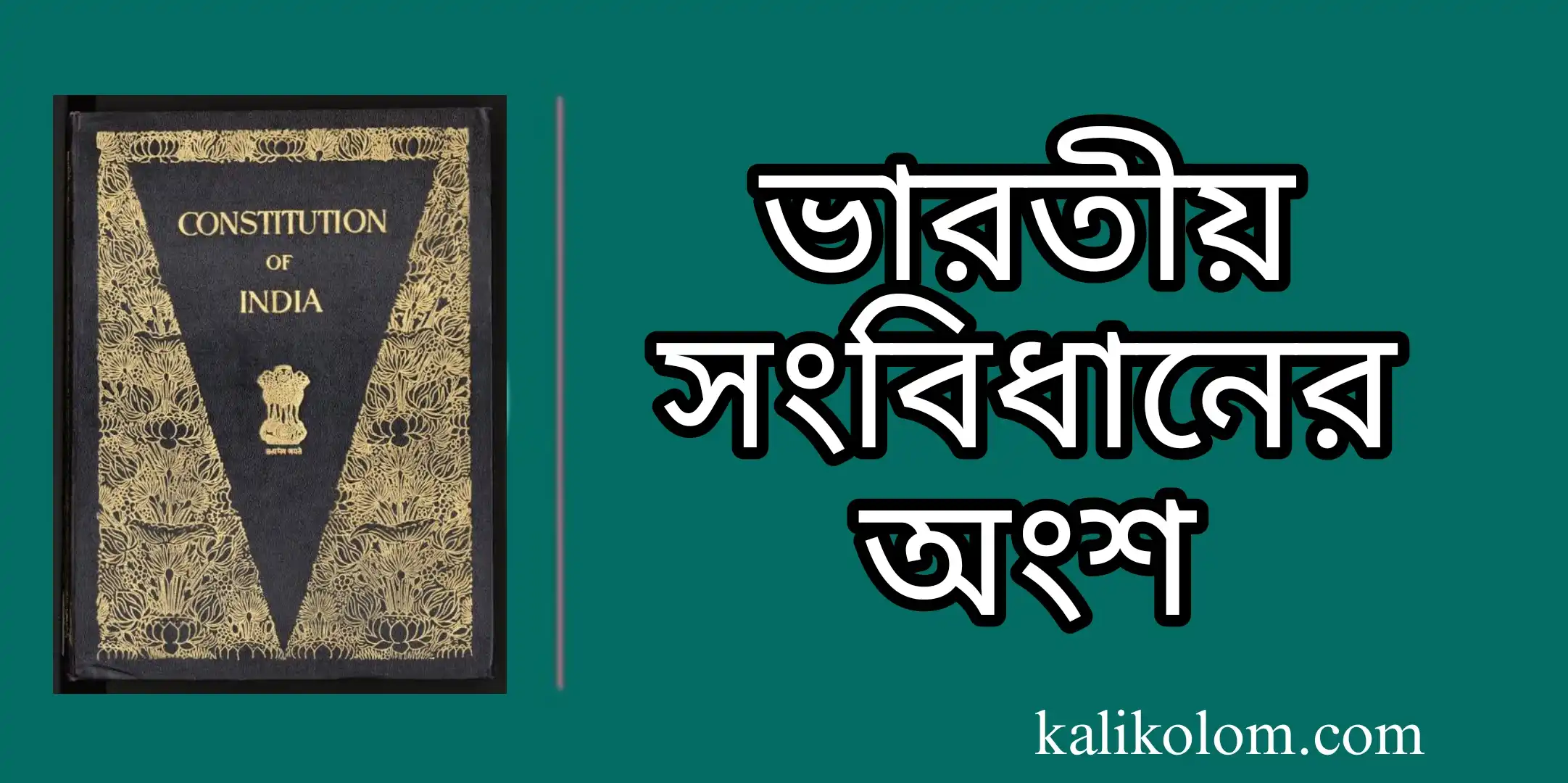
The Indian Constitution is one of the lengthiest constitutions in the world. It encompasses various sections to ensure governance, rights, duties, and provisions for the Indian citizens and the government. Below, we explore some crucial parts of the Indian Constitution, with a focus on Part G, which relates to the states.
The States / রাজ্যগুলি
The relationship between the Union (Central Government) and the states is one of the key components of federalism in India. Part G of the Indian Constitution, covering Articles 152 to 237, deals specifically with the states and their functioning.
ভারতীয় সংবিধানের অংশ / Parts of the Indian Constitution
- The Union and its Territory / সঙ্ঘ ও তার রাজ্য এলাকা
Ans Articles 1 to 4 | অনুচ্ছেদ 1 থেকে 4 - Citizenship / নাগরিকত্ব
Ans Articles 5 to 11 | অনুচ্ছেদ 5 থেকে 11 - Fundamental Rights / মৌলিক অধিকার
Ans Articles 12 to 35 | অনুচ্ছেদ 12 থেকে 35 - Directive Principles of State Policy / নীতি-নির্দেশক উপাদান
Ans Articles 36 to 51 | অনুচ্ছেদ 36 থেকে 51 - Fundamental Duties / মৌলিক কর্তব্য
Ans Article 51A | অনুচ্ছেদ 51(ক) - The Union / সঙ্ঘ
Ans Articles 52 to 151 | অনুচ্ছেদ 52 থেকে 151 - The States / রাজ্যগুলি
Ans Articles 152 to 237 | অনুচ্ছেদ 152 থেকে 237 - The States in Part B of the First Schedule / প্রথম তফসিলের খণ্ড বি এর রাজ্যগুলি
Ans Article 238 (Repealed) | অনুচ্ছেদ 238 বাতিল করা হয়েছে - The Union Territories / সঙ্ঘরাজ্য অঞ্চলগুলি
Ans Articles 239 to 242 | অনুচ্ছেদ 239 থেকে 242 - The Panchayats / পঞ্চায়েতগুলি
Ans Articles 243, 243A to 243 O | অনুচ্ছেদ 243, 243-ক থেকে 243-ও - The Municipalities / পৌরসভাগুলি
Ans Articles 243P to 243ZG | অনুচ্ছেদ 243-ত থেকে 243-যছ - The Co-operative Societies / সমবায় সমিতি
Ans Articles 243ZH to 243ZT | অনুচ্ছেদ 243-যহ থেকে 243-যট - The Scheduled and Tribal Areas / তফসিলি ও উপজাতীয় অঞ্চল
Ans Articles 244, 244A | অনুচ্ছেদ 244, 244-ক - Relations between the Union and the States / সঙ্ঘ ও রাজ্যগুলির মধ্যে সম্পর্ক
Ans Articles 245 to 263 | অনুচ্ছেদ 245 থেকে 263 - Finance, Property, Contracts and Suits / অর্থ, সম্পত্তি, চুক্তি ও মামলা
Ans Articles 264 to 300A | অনুচ্ছেদ 264 থেকে 300-ক - Trade, Commerce and Intercourse within the Territory of India / ভারতের রাজ্য এলাকার মধ্যে বাণিজ্য, ব্যবসা ও সমাগম
Ans Articles 301 to 307 | অনুচ্ছেদ 301 থেকে 307 - Services under the Union and the States / সঙ্ঘ ও রাজ্যের অধীনে পরিষেবা
Ans Articles 308 to 323 | অনুচ্ছেদ 308 থেকে 323 - Tribunals / অধিকরণ
Ans Articles 323A, 323B | অনুচ্ছেদ 323-ক, 323-খ - Elections / নির্বাচন
Ans Articles 324 to 329 | অনুচ্ছেদ 324 থেকে 329 - Special Provisions Relating to Certain Classes / কিছু শ্রেণির জন্য বিশেষ বিধান
Ans Articles 330 to 342 | অনুচ্ছেদ 330 থেকে 342 - Official Language / সরকারি ভাষা
Ans Articles 343 to 351 | অনুচ্ছেদ 343 থেকে 351 - Emergency Provisions / জরুরি বিধান
Ans Articles 352 to 360 | অনুচ্ছেদ 352 থেকে 360 - Miscellaneous / বিভিন্ন
Ans Articles 361 to 367 | অনুচ্ছেদ 361 থেকে 367 - Amendment of the Constitution / সংবিধানের সংশোধন
Ans Article 368 | অনুচ্ছেদ 368 - Temporary, Transitional and Special Provisions / অস্থায়ী, সংক্রমণকালীন ও বিশেষ বিধান
Ans Articles 369 to 392 | অনুচ্ছেদ 369 থেকে 392 - Short title, Commencement, Authoritative Text in Hindi / সংক্ষিপ্ত নাম, আরম্ভ, হিন্দিতে প্রামাণিক পাঠ
Ans Articles 393 to 395 | অনুচ্ছেদ 393 থেকে 395
Conclusion
The structure of the Indian states, as outlined in Part G of the Constitution, is essential for the functioning of India’s federal system. By defining the powers and responsibilities of the state governments, the Constitution ensures that India can manage its vast diversity while promoting unity.
ভারতের সংবিধানের এই অংশটি কেন্দ্রীয় ও রাজ্য সরকারের মধ্যে ভারসাম্য বজায় রাখার ক্ষেত্রে অত্যন্ত গুরুত্বপূর্ণ।